Empowering Communities Through Multigenerational Wellness Initiatives

In today's fast-paced world, the importance of community wellness cannot be overstated. As we navigate the complexities of modern life, the need for initiatives that cater to all generations becomes increasingly clear. Multigenerational wellness initiatives not only promote health but also foster connections among different age groups, creating a stronger, more resilient community. This blog post explores how these initiatives can empower communities, enhance well-being, and bridge generational gaps.

Understanding Multigenerational Wellness
Multigenerational wellness refers to health and wellness programs that engage individuals from various age groups, including children, adults, and seniors. These initiatives aim to create inclusive environments where everyone can participate, learn, and grow together.
The Importance of Multigenerational Approaches
Fostering Relationships: By bringing together individuals of different ages, these initiatives help build relationships that might not otherwise develop. For example, a community garden project can allow children to learn gardening skills from seniors, while seniors enjoy the energy and enthusiasm of younger participants.
Sharing Knowledge and Skills: Each generation has unique experiences and knowledge. Multigenerational programs encourage the sharing of skills, whether it's cooking, technology, or traditional crafts. This exchange enriches the community and promotes lifelong learning.
Enhancing Mental and Physical Health: Engaging in community activities has been shown to improve mental health by reducing feelings of isolation and loneliness. Physical activities, such as group exercises or walking clubs, promote fitness and well-being across all ages.
Key Components of Successful Multigenerational Wellness Initiatives
To create effective multigenerational wellness initiatives, certain components should be considered:
Inclusivity
Programs must be designed to be accessible to all age groups. This means considering physical abilities, interests, and cultural backgrounds. For instance, offering a variety of activities, from yoga to arts and crafts, ensures that everyone can find something they enjoy.
Collaboration
Successful initiatives often involve partnerships between local organizations, schools, and health services. By collaborating, communities can pool resources and expertise, leading to more comprehensive programs. For example, a local health department might partner with schools to provide nutrition education workshops for families.
Sustainability
Long-term success requires sustainable practices. This can include securing ongoing funding, training volunteers, and creating a supportive network. Community gardens, for instance, can be sustained through local sponsorships and volunteer efforts, ensuring they thrive for years to come.
Examples of Multigenerational Wellness Initiatives
Community Gardens
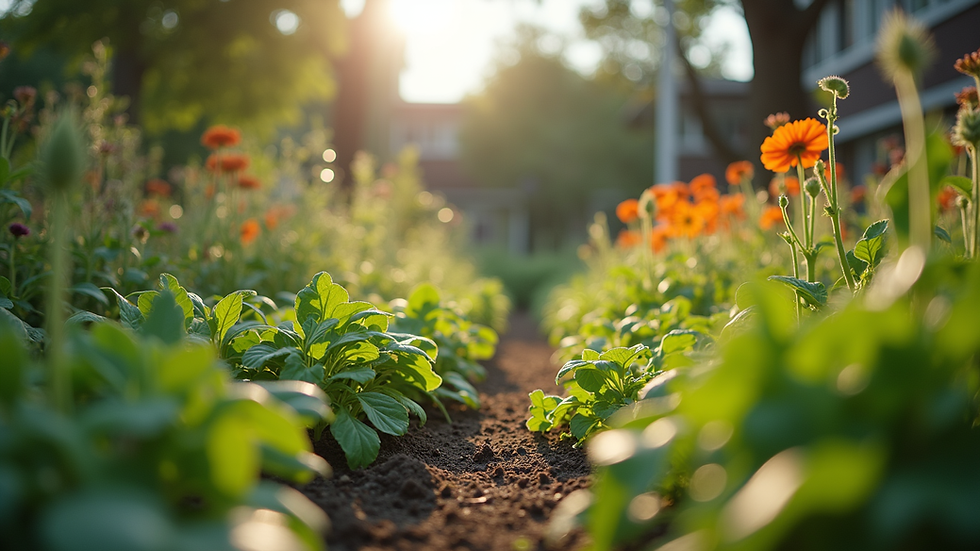
Community gardens are an excellent example of a multigenerational wellness initiative. They provide a space for individuals of all ages to come together, learn about gardening, and grow their own food.
Benefits: Participants gain access to fresh produce, learn about healthy eating, and develop a sense of community. Additionally, gardening has been shown to reduce stress and improve mental health.
Intergenerational Fitness Programs
Fitness programs that cater to all ages can significantly enhance community wellness. These programs can include:
Group Exercise Classes: Classes designed for various fitness levels encourage participation from everyone, from children to seniors.
Walking Clubs: Regular walking groups promote physical activity while providing social interaction.
Technology Workshops
As technology continues to evolve, many seniors may feel left behind. Offering technology workshops where younger individuals teach older adults how to use smartphones, social media, or online resources can bridge the digital divide.
Benefits: This not only empowers seniors to stay connected with family and friends but also fosters relationships between generations.
Overcoming Challenges in Implementation
While the benefits of multigenerational wellness initiatives are clear, several challenges may arise:
Funding
Securing funding for community programs can be difficult. Communities can address this by:
Applying for Grants: Many organizations offer grants specifically for community wellness initiatives.
Fundraising Events: Hosting events can raise awareness and funds for ongoing programs.
Engagement
Getting individuals from different generations to participate can be challenging. Strategies to increase engagement include:
Promoting Through Schools and Community Centers: Utilizing local networks to spread the word can attract diverse participants.
Creating Fun and Engaging Activities: Ensuring that activities are enjoyable and relevant to all ages will encourage participation.
Measuring Success
To ensure the effectiveness of multigenerational wellness initiatives, communities should establish metrics for success. This can include:
Participation Rates: Tracking how many individuals participate in programs can provide insight into their popularity and effectiveness.
Feedback Surveys: Gathering feedback from participants can help identify areas for improvement and highlight successes.
The Role of Community Leaders
Community leaders play a crucial role in the success of multigenerational wellness initiatives. They can:
Advocate for Resources: Leaders can help secure funding and resources necessary for program implementation.
Encourage Participation: By promoting initiatives within their networks, leaders can help increase awareness and engagement.
Conclusion
Empowering communities through multigenerational wellness initiatives is not just beneficial; it is essential for fostering a sense of belonging and improving overall health. By creating inclusive, collaborative, and sustainable programs, communities can bridge generational gaps and enhance the well-being of all members.
As we move forward, let’s prioritize these initiatives and work together to build stronger, healthier communities. Whether you’re a community leader, a local organization, or an individual looking to make a difference, consider how you can contribute to multigenerational wellness in your area. The time to act is now.

Comments